Android Game Development: Shipping Slip 'n Slime Across 6 Platforms
01 Jan 2024
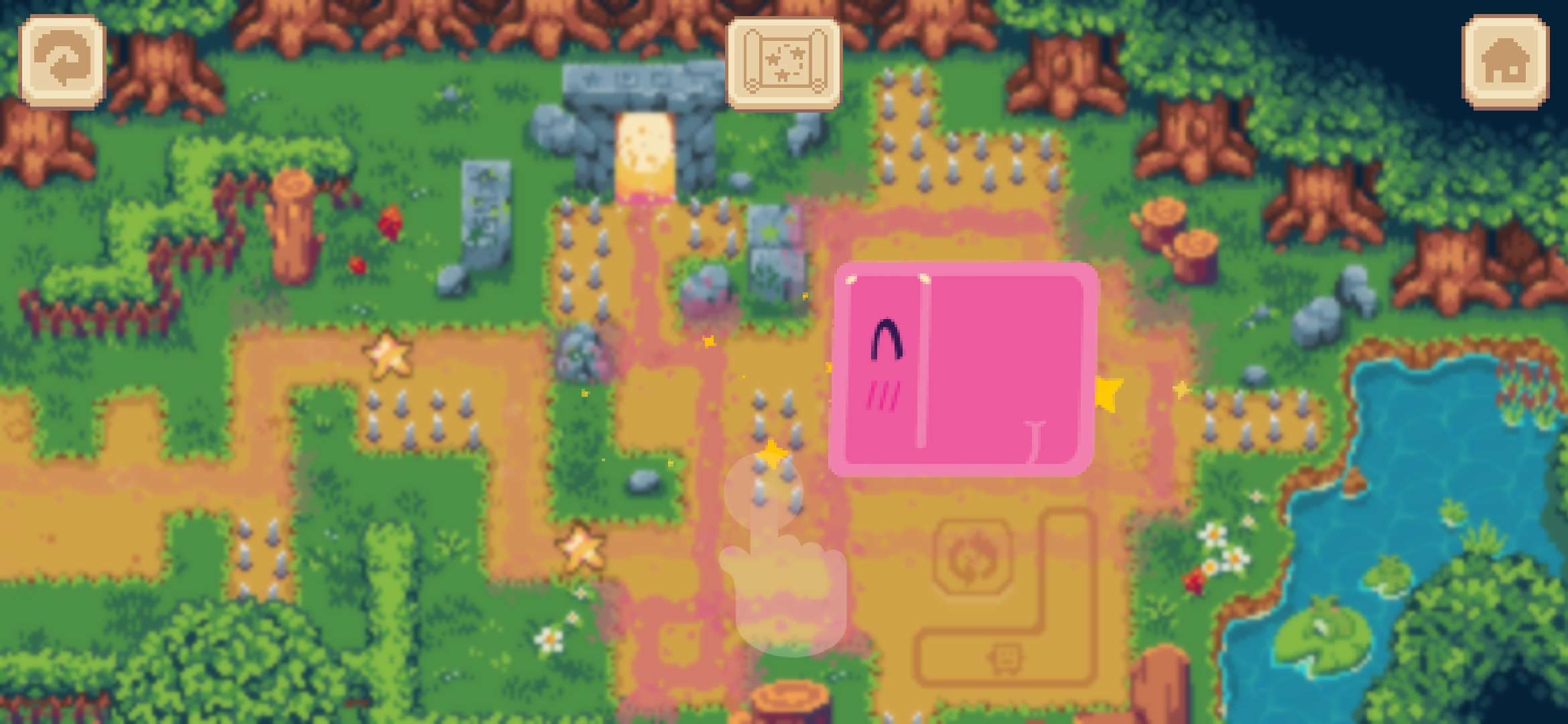
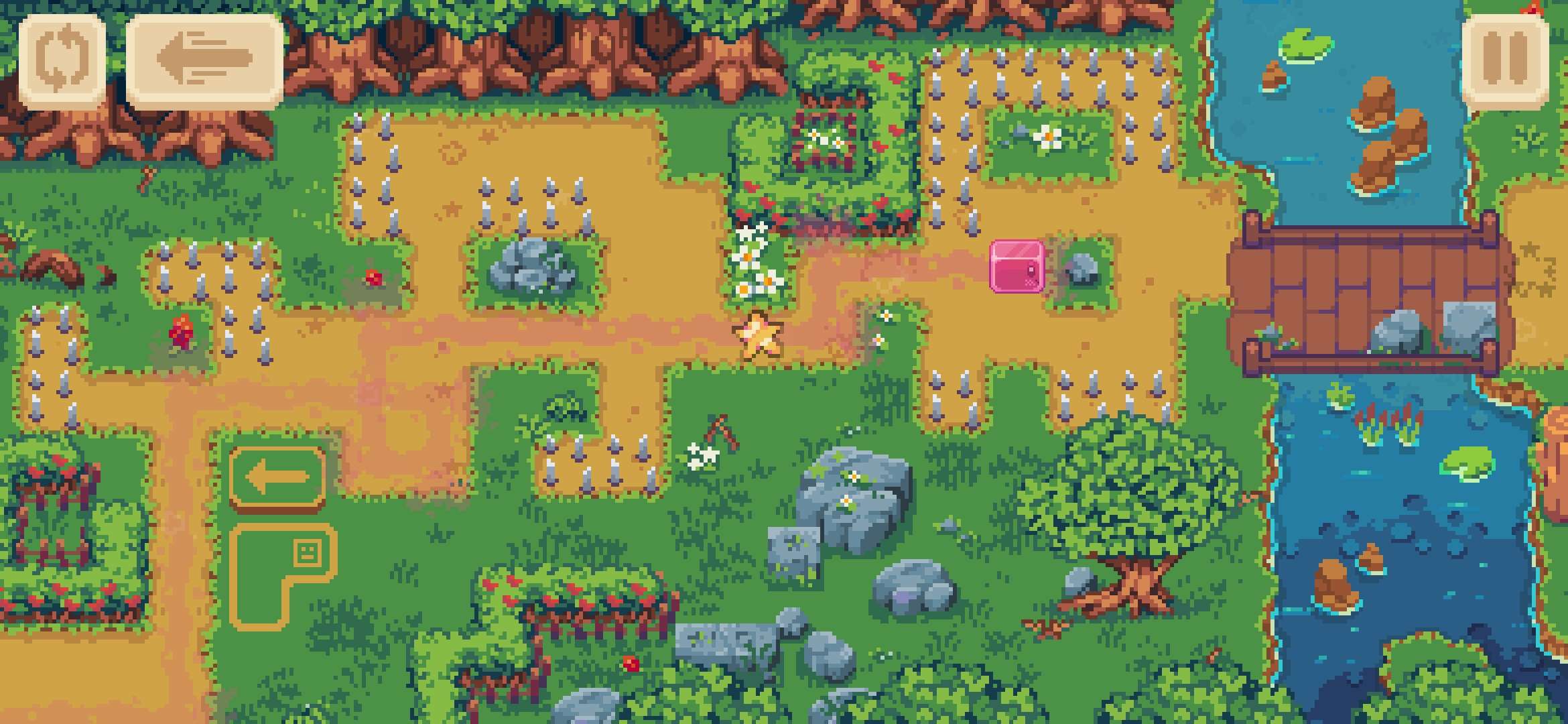
Slip ‘n Slime is a puzzle game where every move sends you sliding until you hit a wall or die. Simple concept, deep execution. I built it, shipped it across six platforms, and led a seven-person team to get it there.
Android Java from Day One
The first version of Slip ‘n Slime was built in LibGDX, a raw Java game framework that compiles natively to Android. I wrote Java targeting Android directly, iterating with Android Studio and USB debugging on physical devices throughout development. Every gameplay loop, every physics interaction, every UI element was tested on-device.
This gave me a ground-level understanding of Android development: the activity lifecycle, input handling on touchscreen hardware, performance profiling, and the constraints of running on a wide range of Android devices.
Rebuilding in Godot
Raw Java was slowing the team down. I made the decision to rebuild the game from scratch in Godot so we could move faster and so my level designers could iterate directly in a visual engine without depending on me for every content change.
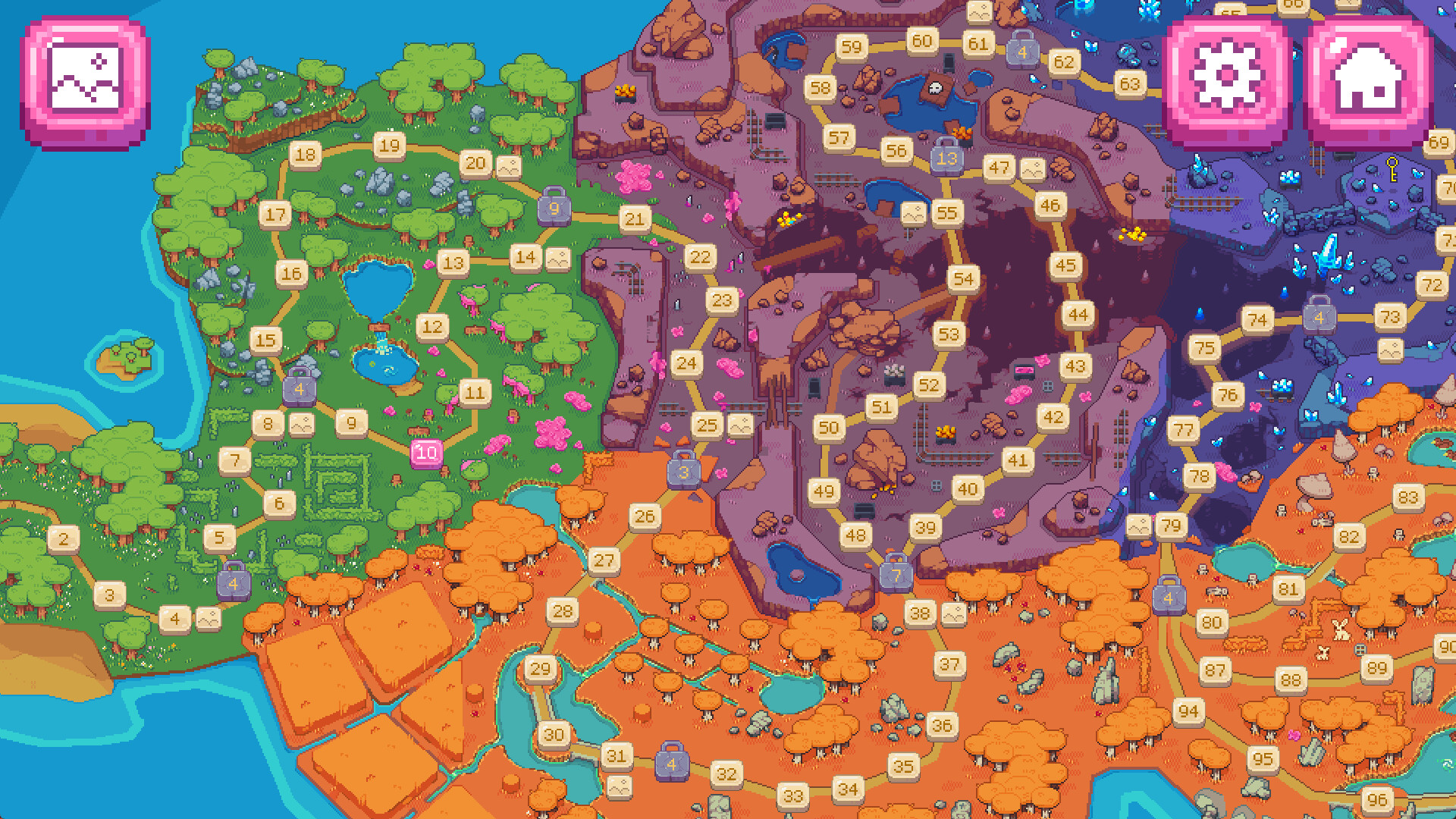
I led the full technical migration, making all architecture decisions for the new codebase. The shipped version of the game is the Godot build, released across Android, iOS, Windows, Mac, Linux, and SteamDeck.
Leading a 7-Person Team
At peak development, the team was seven people: three full-time staff and four part-time. I made every engineering and product decision, set the technical direction, and managed the roadmap. This wasn’t a hobby project with volunteers, I made significant personal financial investment to staff and sustain the team over two years.
My responsibilities:
- All engineering architecture and implementation decisions
- Product direction and feature prioritization
- Hiring and coordinating artists, designers, and contractors
- Android/iOS build pipelines and store submissions
- Playtesting coordination and iteration cycles